
Retail Display Tables and Showcases: A B2B Procurement Guide for Store Owners
When retail buyers and procurement managers source retail display tables and showcases for their stores, the decision goes far beyond aesthetics. The right fixtures directly impact product visibility, customer flow, and ultimately sales conversion. Whether you operate a boutique, a chain of convenience stores, or a department store, understanding the supplier landscape, material options, and pricing structures is essential for making cost-effective purchasing decisions that stand up to long-term retail use.
Key Manufacturers in the Display Table and Showcase Market
The B2B market for retail display tables and showcases is concentrated largely in China's manufacturing hubs. Ownway Display Equipment, based in Guangzhou, is a prominent supplier offering a comprehensive product line that includes display hooks, garment racks, display tubes, tube connectors, and mannequins. With annual revenue between US$1 million and US$2.5 million, Ownway has established itself as a reliable mid-tier supplier for international buyers. Suzhou Kasa Fashion Model Props, located in Jiangsu province and operating since 2024, represents the newer entrants bringing fresh design approaches to the fixture market.
Both manufacturers cater primarily to export markets including North America, Europe, and Southeast Asia, meaning their products are already compliant with international retail standards. For procurement managers, this translates to fewer compliance hurdles during customs clearance and faster time-to-shelf for new store openings or seasonal resets.
Material Options and Their Procurement Implications
Material selection is one of the most critical decisions when sourcing wholesale display tables for retail stores. The five dominant materials in the market each serve different merchandising needs:
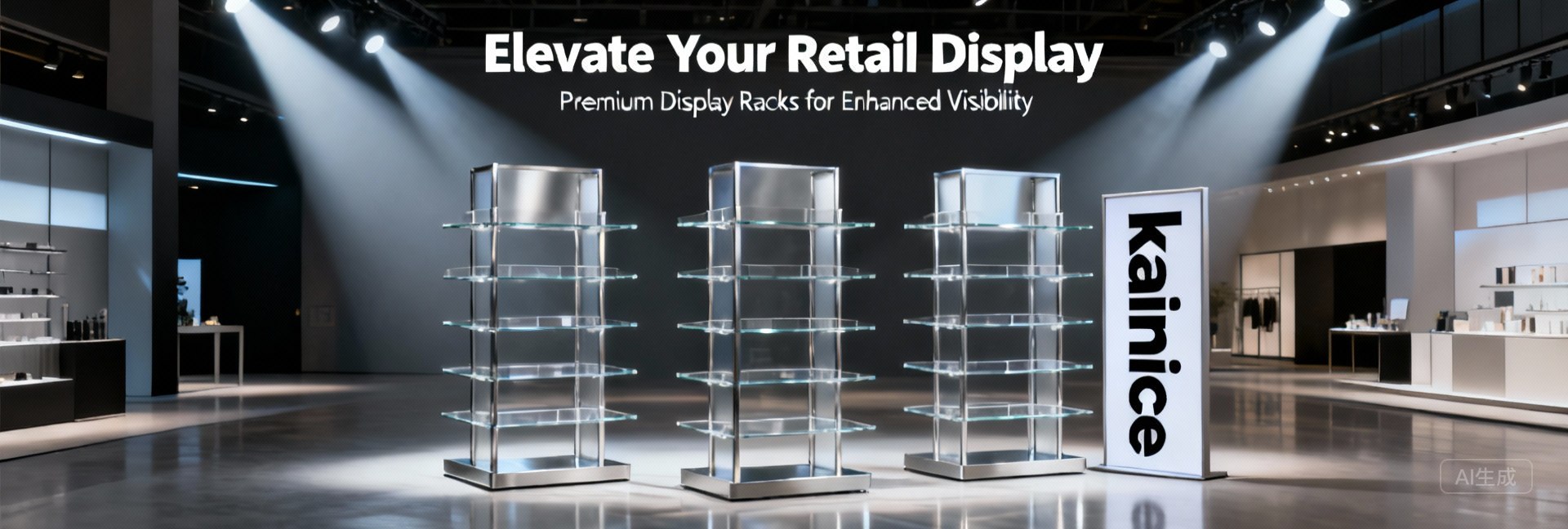
- Tempered glass: Used in high-end showcases, offering clarity and safety. Tempered glass must carry safety certification to meet international standards.
- MDF (Medium-Density Fiberboard): A cost-effective option for display tables, easily customizable with laminate or veneer finishes.
- Solid wood: Premium tier material, favored by luxury and heritage brands for its durability and visual warmth.
- Stainless steel: Common in modern retail environments, offering corrosion resistance and a sleek industrial look.
- Acrylic: Lightweight and transparent, ideal for modular and temporary displays where portability matters.
Procurement teams should match material choice to store format, expected product weight, and the visual merchandising strategy. A high jewelry counter, for instance, demands tempered glass with anti-theft locks, while a fast-fashion table may only require MDF with a laminate surface.
Price Ranges and Minimum Order Quantities
Understanding pricing is vital for budget-conscious buyers. In the current market, display tables typically range from $80 to $500 per piece, depending on material, size, and finish complexity. Glass showcases command a premium, priced between $150 and $800 per piece. The variance reflects factors such as glass thickness, hardware quality, and whether integrated LED lighting is included.
Minimum order quantities (MOQ) for custom retail display showcases generally fall between 5 and 20 pieces. This MOQ range accommodates both small boutique owners outfitting a single location and chain procurement managers ordering for multiple stores. Buyers requiring custom sizes should plan for longer lead times, as bespoke dimensions require new tooling or CNC programming at the factory level.
Value-Added Features: Lighting and Security
LED lighting integration has become an increasingly popular option for retailers looking to highlight featured products within glass display showcases with lighting. Many manufacturers offer LED strip lighting built into the showcase frame, which requires CE certification for the lighting components to meet European market standards. For high-value merchandise such as jewelry, electronics, or designer accessories, anti-theft lock mechanisms are available as add-on features. These security options include keyed locks, digital combination locks, and even RFID-enabled access systems on premium units.

Certifications and Quality Assurance Standards
For B2B buyers, certifications serve as risk mitigation tools. The key certifications to verify when sourcing retail store display fixtures wholesale include:
- ISO 9001: Demonstrates the manufacturer maintains a quality management system meeting international standards.
- Tempered glass safety certification: Confirms glass components have been processed to fragment safely upon breakage, reducing liability in retail environments.
- CE certification for lighting components: Required for LED-equipped showcases entering the European market, ensuring electrical safety compliance.
Procurement managers should request certification documentation directly from suppliers before placing orders. Reputable manufacturers on platforms like Alibaba typically display these certifications on their supplier profile pages, making verification straightforward during the supplier vetting process.
Export Markets and Logistics Considerations
The primary export destinations for these products are North America, Europe, and Southeast Asia. Each market has distinct import requirements. North American buyers should factor in customs duties and ensure products meet local safety standards. European buyers need CE-marked lighting components and REACH-compliant materials. Southeast Asian buyers benefit from shorter shipping distances and lower freight costs from Chinese ports.
For procurement managers managing multi-store rollouts, ordering retail display tables and showcases in consolidated shipments can significantly reduce per-unit freight costs. Working with manufacturers who offer custom sizing allows buyers to standardize across store formats while maintaining visual consistency. Buyers should also negotiate Incoterms carefully—FOB (Free on Board) terms are common for first-time orders, while experienced importers may prefer DDP (Delivered Duty Paid) for predictable landed cost calculations.