
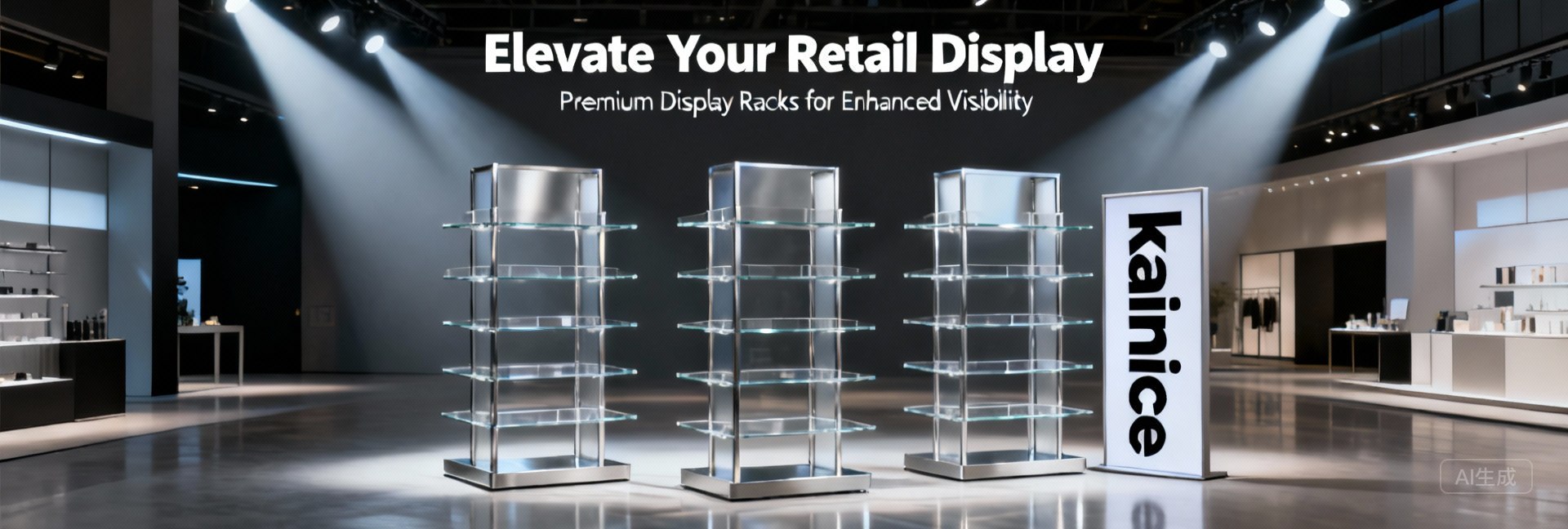
If you've spent more than five minutes in retail procurement, you already know the drill. Sourcing a reliable Supermarket Display Rack dictates both your floor plan and your profit margins. I've worn out my boots walking factory floors across Changshu and Liaocheng for the past 15 years. Let me spare you the runaround and tell you what actually holds up in the real world.
What is the realistic price range for a standard metal Supermarket Display Rack from Chinese manufacturers?
Forget the Alibaba noise for a second. Scrolling through supplier pages, you'll spot prices anywhere from US$7 to US$70 per piece. That isn't a typo. You're looking at the massive gap between a cheap wire basket and a heavy-duty pre-galvanized steel pallet frame.
Want a standard five-tier white gondola shelving unit with those adjustable red price strips? Budget US$30 to US$35 per set. I was just looking over some quotes from Gansu Sanyang, and their pricing hovered right around ¥211 to ¥249 per set. Buying heavy-duty cantilever setups by weight? The going rate sits at roughly US$0.5 per kg. If a quote comes in way below that, they're skimping on steel thickness. Period.
How do MOQ requirements impact my shipping costs when importing a Supermarket Display Rack?
Fixtures are a logistical nightmare because they're just plain bulky. Expect minimum order quantities to hover around 10 pieces for high-end custom units, 50 pieces for standard gondolas, or 500 kg if you're just buying raw steel components.
Hit that 50-piece MOQ and your container efficiency tanks—unless you nest the parts right. I hammer this into my clients' heads: negotiate knock-down packaging. Let a factory ship them fully assembled, and you're basically paying to transport empty air. Your freight forwarder will be thrilled, but your budget won't be.
What material and certification red flags should I watch for when evaluating a Supermarket Display Rack supplier?
If a supplier drags their feet on sharing certification docs upfront, just walk away. You need to see valid CE and ISO 9001 certificates in black and white. Take established players like Changshu Yiyang or Liaocheng Jiahe Warehousing. They actually have the 2000+ square meter plant areas and 60+ employees required to back up those claims.
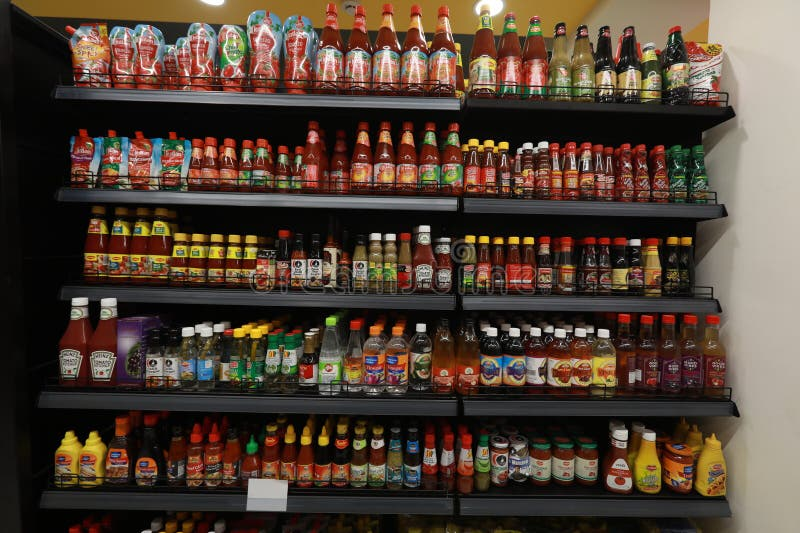
When it comes to materials, demand cold-rolled steel with a pre-galvanized finish. Skimp on this, and some factory will hand you painted iron that rusts the second a shopping cart clips it in a busy grocery aisle. Always ask for a salt spray test report. No report means they're hiding a cheap coating.
Can I customize the finish and dimensions of a Supermarket Display Rack without paying a massive premium?
Yes, but only if you partner with a factory that actually knows their way around ODM and OEM capabilities. Last year, I helped a Texas boutique owner source modern black metal gondola shelving. We mixed in customizable Tegometal options and some warm MDF wood accents to give it a high-end feel.
The secret? Use their existing tooling for the uprights. Customize the back panels and base shelves instead. You keep your mold costs at absolute zero while still rolling out a completely unique look. Don't reinvent the wheel. Just swap the paint color and shelf materials to nail your brand's vibe.
What is the actual lead time from order placement to port delivery for a bulk Supermarket Display Rack order?
Supplier profiles love to plaster "Fast Delivery: within 15 workdays" across their pages. Here's the catch. That 15-day promise only holds water if they happen to have your exact components sitting idle in their warehouse.
Order a custom color or a new dimension mix, and a realistic production lead time jumps to 30 to 45 days. Tack on another two weeks for inland transport and customs clearance. When a sales rep looks you in the eye and promises a 20-day turnaround for a fully customized 40-foot container load, they're either lying to your face or about to skip your quality control inspections.
What are the most common rookie mistakes buyers make when sourcing a heavy-duty Supermarket Display Rack?
The biggest blunder I see every week? Buyers falling for a pretty 3D rendering and completely ignoring the load-bearing specs. Sure, a rack looks gorgeous on a screen. But if the base plate is only 2mm thick instead of 3mm, it's going to warp the second you stack it with canned goods or heavy detergent bottles.
Then there's the accessory trap. You have to budget for shelf dividers, pricing label holders, and pegboard hooks. It happens all the time. Buyers get so hyper-focused on the main frame price that they get totally blindsided when a US$41 per piece add-on cost hits them for the peripheral display elements.